
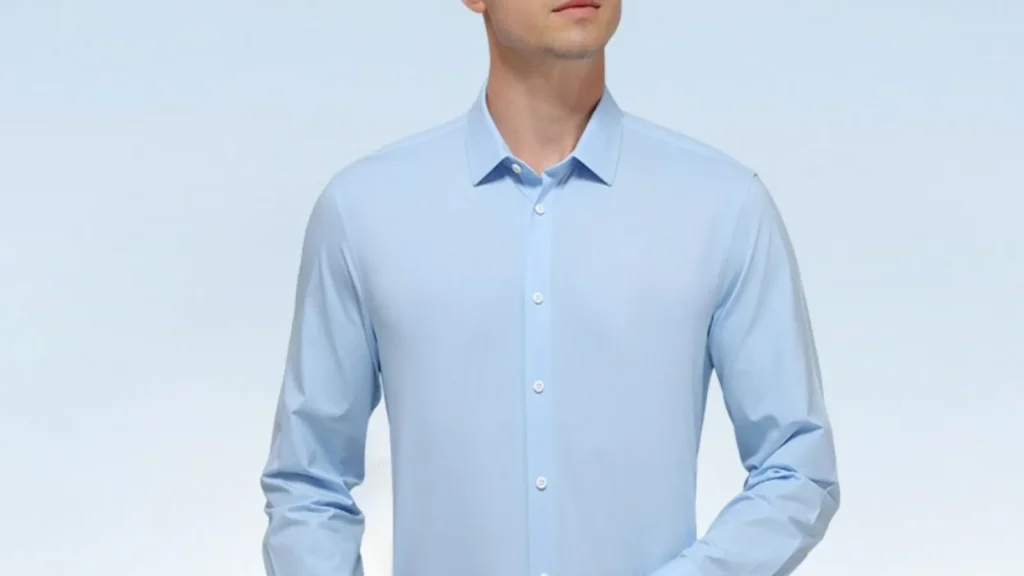
How to Choose the Right Shirts for Business, Uniform, and Retail Needs
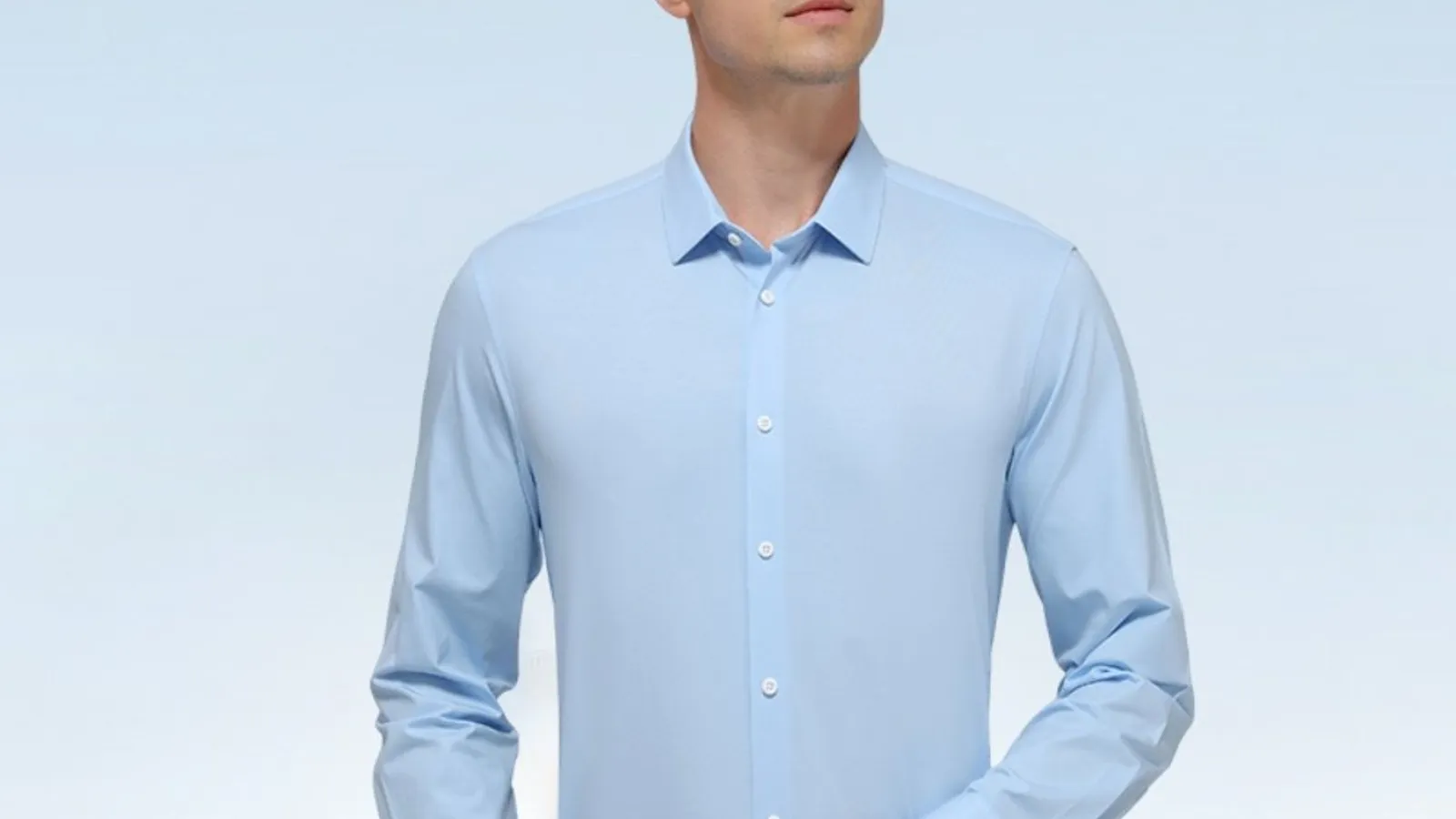
Choosing the right shirt is about far more than color or style. For distributors, retailers, uniform buyers, and brand owners, the ideal shirt needs to balance fabric performance, comfort, appearance, and production consistency. Whether you are sourcing formal officewear, functional uniforms, or fashion-forward retail pieces, understanding the differences between material, fit, and finishing will help you make better purchasing decisions and improve customer satisfaction.
At Shangjie Shirts, buyers can explore a wide range of ready-stock and custom shirt options, including wrinkle-free business shirts, bamboo fiber performance shirts, and category-based collections for different markets. This guide breaks down the key factors to consider when selecting shirts for wholesale, corporate, or retail use.
Specifications to Consider
When choosing shirts for business or commercial use, the right specifications directly affect comfort, durability, and long-term value.
- Fabric Composition: Cotton offers softness and breathability, while blended fabrics add durability and easier maintenance. Functional materials such as bamboo fiber, stretch blends, and silk blends can also deliver moisture management, smooth texture, and improved wearability.
- Performance Features: In many professional settings, buyers now prefer shirts with wrinkle resistance, quick-dry performance, stain resistance, or thermal properties. For example, a wrinkle-free business shirt can reduce after-care demands while maintaining a polished appearance.
- Fit and Sizing Range: A strong size offering helps brands serve more customers and reduce return rates. Standard cuts, stretch comfort, and special sizing options such as plus-size shirts are important when buying for broad demographics.
Use Cases for Shirts
Different shirt styles serve different end uses, so product selection should match the actual wearing scenario.
- Business and Office Wear: Clean lines, wrinkle resistance, and a refined hand feel make business shirts ideal for office uniforms, executive dressing, and client-facing roles. Buyers looking for structured everyday options can browse the business shirt collection.
- Retail and Fashion Assortments: For retail channels, shirts need to combine comfort, style, and clear market positioning. Categories like men’s shirts support broader merchandising, while fabric-focused products help create premium product stories.
- Premium and Occasion Dressing: Smooth drape and elevated texture make silk and silk-blend shirts attractive for upscale wardrobes, gifting, and boutique retail. The silk shirt range is especially relevant where appearance and softness matter most.
Comparing Different Types of Shirts
Comparing shirt types side by side helps clarify which option fits your channel, customer expectations, and price target.
- Classic Cotton vs. Functional Knit: Traditional cotton shirts remain popular because they feel natural and familiar. Functional knit shirts, however, often add stretch, easy care, and improved movement, making them more practical for modern workwear and travel.
- Standard Business Styles vs. Technical Performance Styles: A classic business shirt emphasizes structure and presentation. Performance shirts may include three-proof, quick-dry, or thermal benefits. For buyers exploring technical fabrics, the bamboo fiber nano three-proof shirt is a strong example.
- Entry-Level vs. Premium Materials: Budget-conscious buyers may prioritize broad volume and stable pricing, while premium channels often choose Pima cotton, bamboo pulp fiber, or mulberry silk blends for better touch and higher perceived value.
Sourcing Shirts in Bulk
Wholesale shirt sourcing requires more than price comparison. A dependable supplier should support product consistency, lead time control, and flexible development.
- Check Manufacturing Capability: Verify whether the supplier can meet your volume needs, maintain repeatable quality, and support OEM or ODM requests. A manufacturer with real production capacity and category specialization is often more reliable for long-term cooperation.
- Review Samples Carefully: Before placing a large order, examine stitching, collar shape, button attachment, fabric recovery, and wash performance. A sample should reflect not only the look of the shirt but also its durability in actual wear.
- Ask About Catalog and Quotation Support: If you are still comparing ranges, it helps to request a curated assortment and fast quotation. Buyers can use the contact page to request catalogs, sampling, and custom quote support directly.
Implementation Tips for Shirt Buyers
Once you have selected a shirt program, a few practical steps can improve sell-through and buyer satisfaction.
- Match Product to Channel: Uniform programs, retail collections, and promotional projects all need different shirt specifications. Build assortments around the end use rather than choosing one style for every scenario.
- Provide Clear Care Guidance: Customers value shirts that stay presentable with minimal effort. Highlight care-friendly features such as wrinkle resistance, quick drying, or shape retention in product pages and sales materials.
- Plan Repeat Orders Early: If a style performs well, make sure replenishment is easy. Working with a supplier that offers stable inventory or dependable reorder timelines helps avoid stock gaps and missed sales opportunities.
Frequently Asked Questions
- What fabric is best for business shirts? The best fabric depends on the market. Cotton and cotton blends are popular for comfort, while wrinkle-free stretch fabrics and bamboo-based materials are ideal for easy-care and functional business wear.
- How do I choose shirts for wholesale or uniforms? Start with the end use, then compare fabric, fit, function, and available sizes. For business-focused programs, durable and easy-care options usually deliver the strongest long-term value.
- Why buy directly from a shirt manufacturer? Direct sourcing can improve price control, customization flexibility, and production consistency. It also makes communication faster when you need samples, repeat orders, or private-label support.
Conclusion
The right shirt program combines fabric quality, performance, fit, and dependable supply. By comparing product functions carefully and aligning them with your market, you can build a stronger assortment for business wear, retail, or uniforms. If you are sourcing new styles or expanding your range, exploring the full selection at sjshirt.com is a practical next step toward finding shirts that match your brand and customer needs.